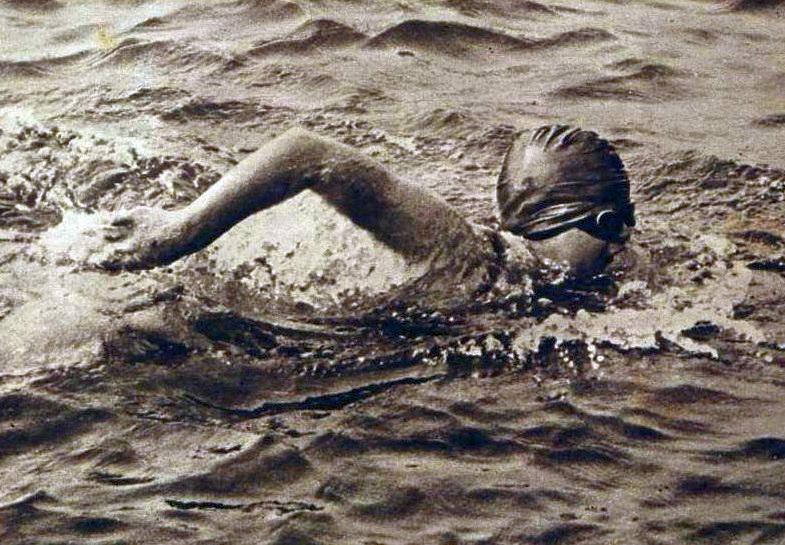
One hundred years ago, on 6 August 1926, a young American woman stepped into the sea on the French coast with a dream that many believed was impossible.
Fourteen hours and 31 minutes later, Gertrude "Trudy" Ederle emerged from the waters at Kingsdown, Kent, becoming the first woman ever to swim the English Channel.
In doing so, she did not simply make history. She rewrote it.
Ederle completed the crossing almost two hours faster than the existing men's record, proving beyond doubt that women could compete in the world's toughest endurance events. At a time when many believed long-distance sport was beyond female capability, her achievement shattered stereotypes and inspired generations to dream bigger.
Following in her wake
Now, exactly one hundred years later, swimmers from across the world are returning to the Channel to celebrate the woman who changed everything.
Throughout August, dozens of relay and solo swimmers organised by SwimTayka will take on the same stretch of water, not only to challenge themselves but also to honour the remarkable legacy of the woman who opened the door for every female Channel swimmer who followed.
Today, women account for almost half of all successful English Channel crossings. That progress can be traced directly back to Ederle's extraordinary swim in 1926.
“Every woman who swims the Channel today is following in Gertrude Ederle's wake. She showed the world that courage has no gender and that determination can overcome the impossible.”Bryan Avery, Founder of SwimTayka
“One hundred years later, her achievement still inspires every swimmer who stands on Shakespeare Beach wondering whether they can make it.”
A second chance at history
Gertrude's success was far from guaranteed.
Her first attempt in 1925 ended in controversy after her support team pulled her from the water while she believed she was still capable of continuing. Rather than allowing disappointment to define her, she returned the following year stronger, better prepared and determined to finish what she had started.
Her second attempt became one of the greatest moments in sporting history.
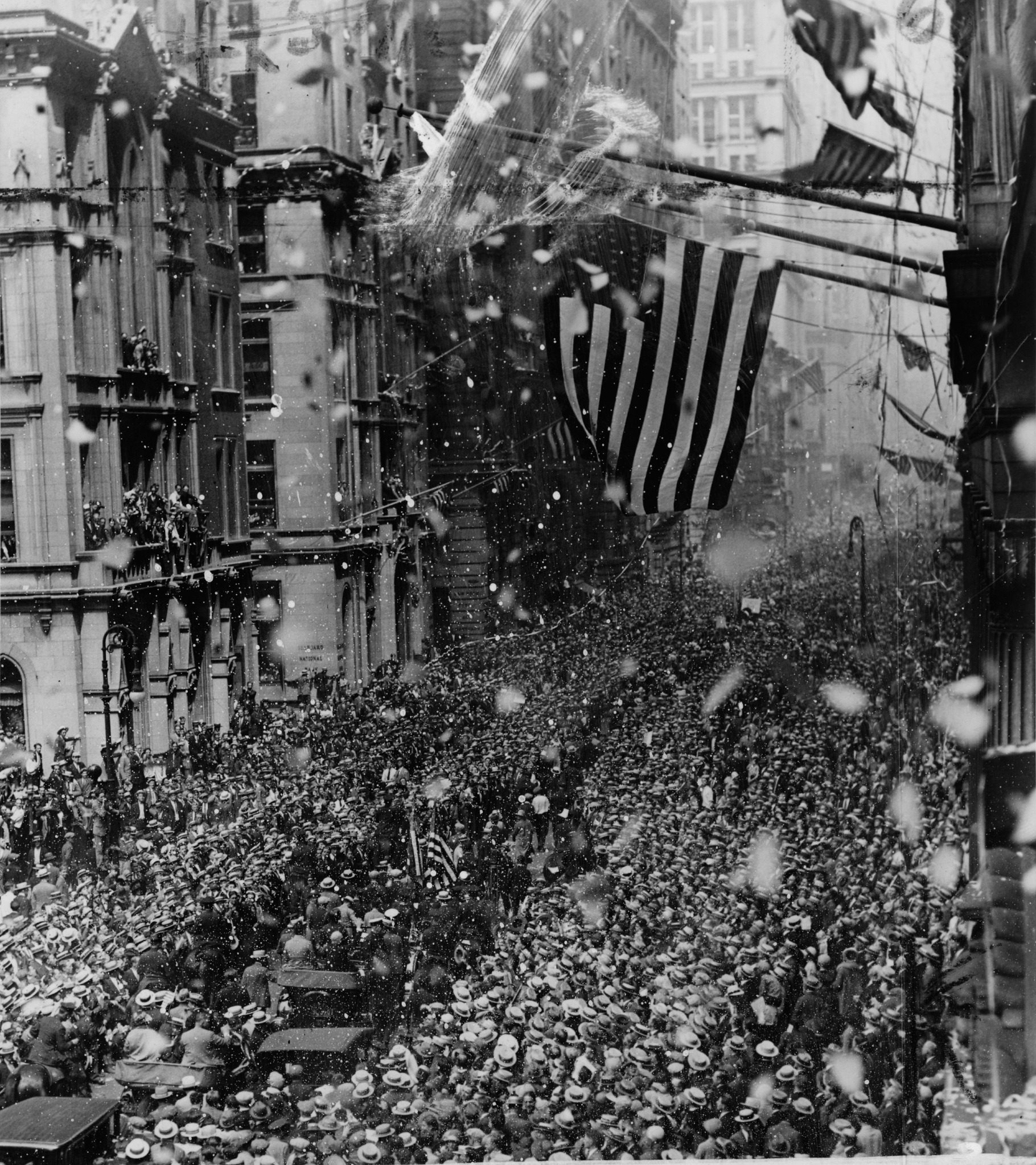
Crowds gathered along the Kent coastline as news spread that a woman was approaching England. When she finally climbed ashore, she became an international celebrity. New York welcomed her home with a ticker-tape parade attended by millions, making her one of the most recognisable athletes of her generation.
Her swim lasted 14 hours and 31 minutes. Her legacy has lasted a century.
Confidence for generations
Yet perhaps her greatest legacy lies not in records or celebrations, but in the confidence she gave others.
For one hundred years, women have looked at the English Channel and believed that if Gertrude could do it, perhaps they could too.
That spirit lives on today.
This summer's swimmers are teachers, nurses, mothers, business owners, students and retirees. Many describe themselves as ordinary people taking on an extraordinary challenge. They train for months, sometimes years, knowing that the Channel offers no guarantees.
Like Gertrude, they know success depends on preparation, teamwork, resilience and the willingness to keep going when everything tells them to stop.
The Channel has not changed
As the centenary is celebrated, the English Channel remains exactly as it was in 1926 - cold, unpredictable and demanding.
What has changed is the number of people who believe they belong there.
Thanks to Gertrude Ederle, countless women have stepped into those waters with confidence rather than doubt.
One hundred years after her historic crossing, her wake is still carrying swimmers towards France, towards England, and towards dreams that once seemed impossible.